Grease traps & interceptors
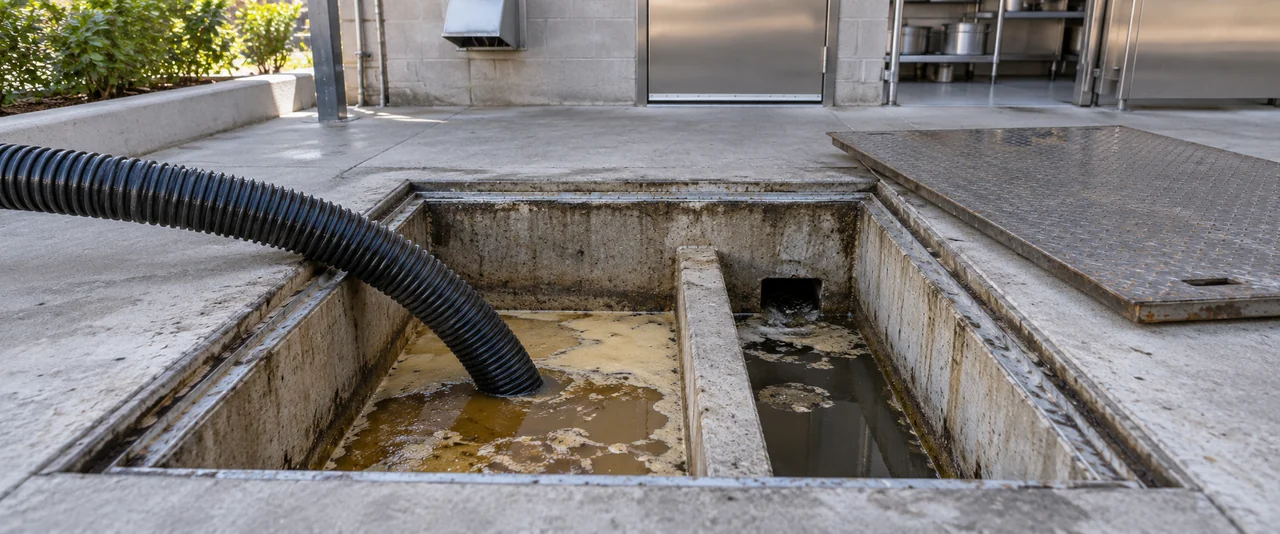
Remove collected grease, food solids, sludge, and liquid from the agreed systems.
RESTAURANTS & FOOD SERVICE
Grease management should work around the kitchen. Bring interceptor pumping, line jetting, camera scoping, and documentation into a planned service routine.
SERVICE AROUND YOUR OPERATION
Remove collected grease, food solids, sludge, and liquid from the agreed systems.
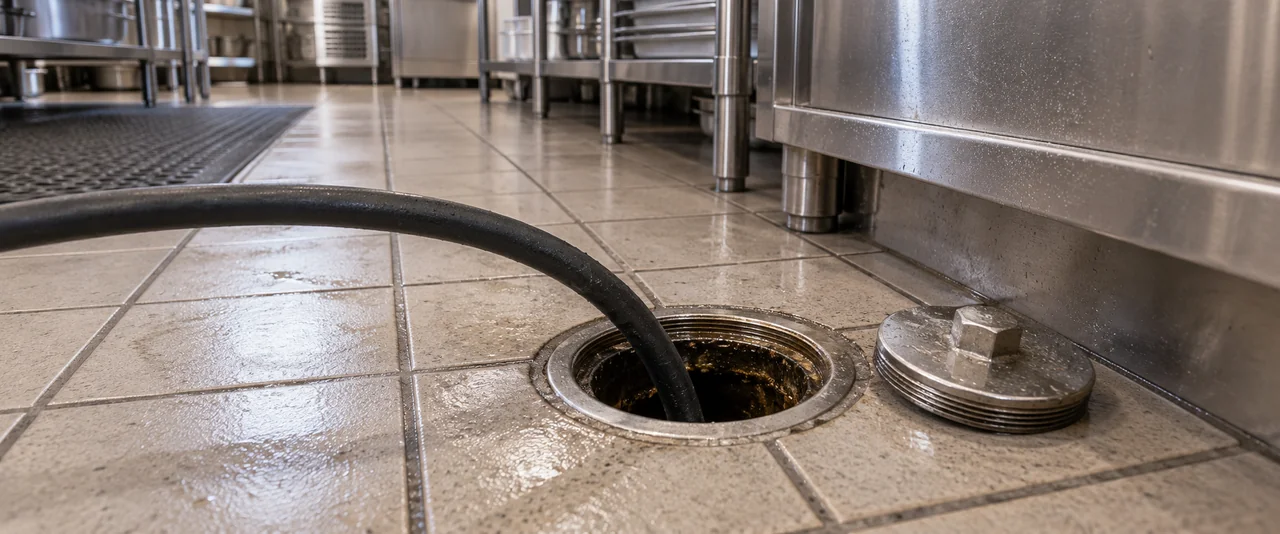
Address buildup in the connected drainage lines as part of the pumping visit.
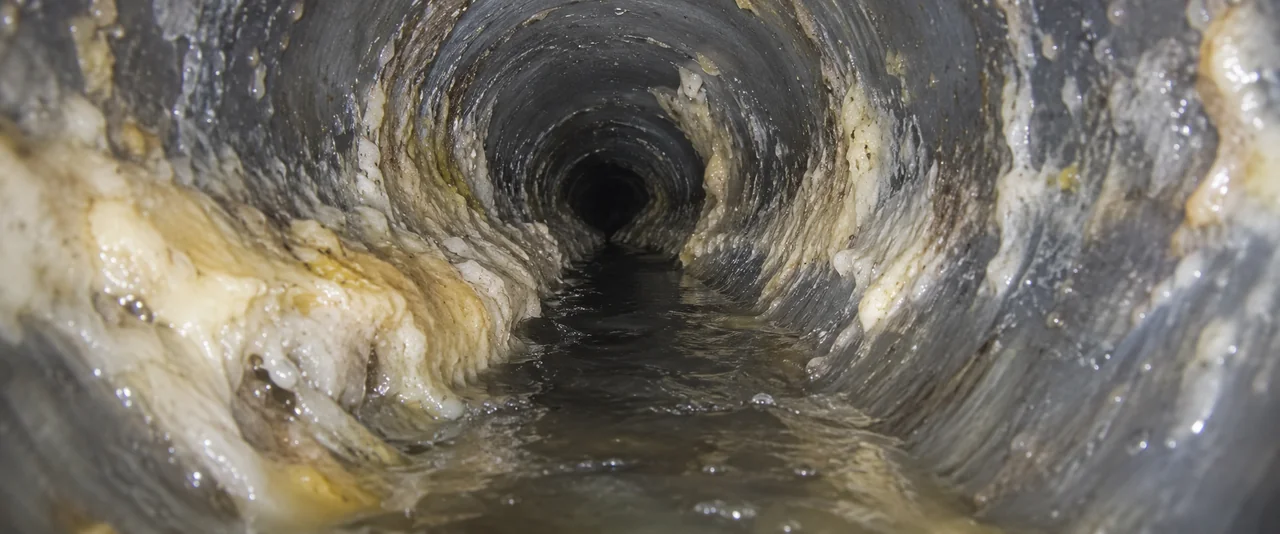
See the line condition and record findings that need follow-up.
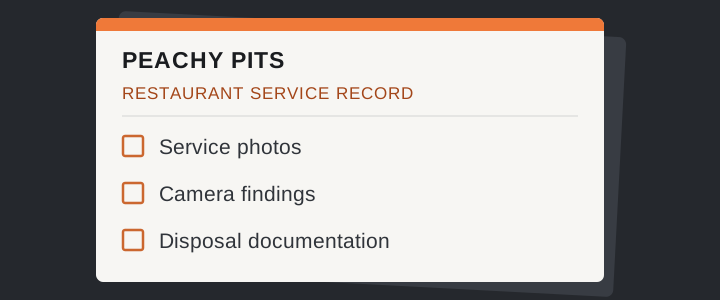
Keep the work, observations, and disposal documentation connected to the location.
EVERY PUMPING VISIT
Line jetting and camera scoping are always part of the visit.
Remove accumulated waste.
Clear connected drainage lines.
Inspect the lines on camera.
Record the work and findings.
AROUND THE PROPERTY
Building exteriors, entrances, dumpster pads, large-lot surface cleaning, and parking lot striping can be planned around deliveries and dining hours.
Exterior work follows its own agreed scope and schedule.
LET’S DEFINE THE RIGHT SCOPE
The right conversation starts with the kitchen, the system, and the hours you need to protect.
Tell us about your siteTrap or interceptor type, known capacity, quantity, and access location.
Current service interval, last visit, operating hours, and drainage issues.
Parking and truck access, site contact, and any dumpster pad or exterior cleaning needs.
BEFORE WE VISIT
Line jetting and camera scoping are part of every pumping visit, along with documentation. We agree on the site-specific scope before service.
We provide service and documentation. Share the requirements or inspection requests that apply to your location so the scope can be reviewed; the website does not substitute for those requirements.
We can discuss a coordinated program. Coverage, site-specific scopes, communication, and billing arrangements are reviewed before the program begins.
Start with your location, systems, and service needs.